
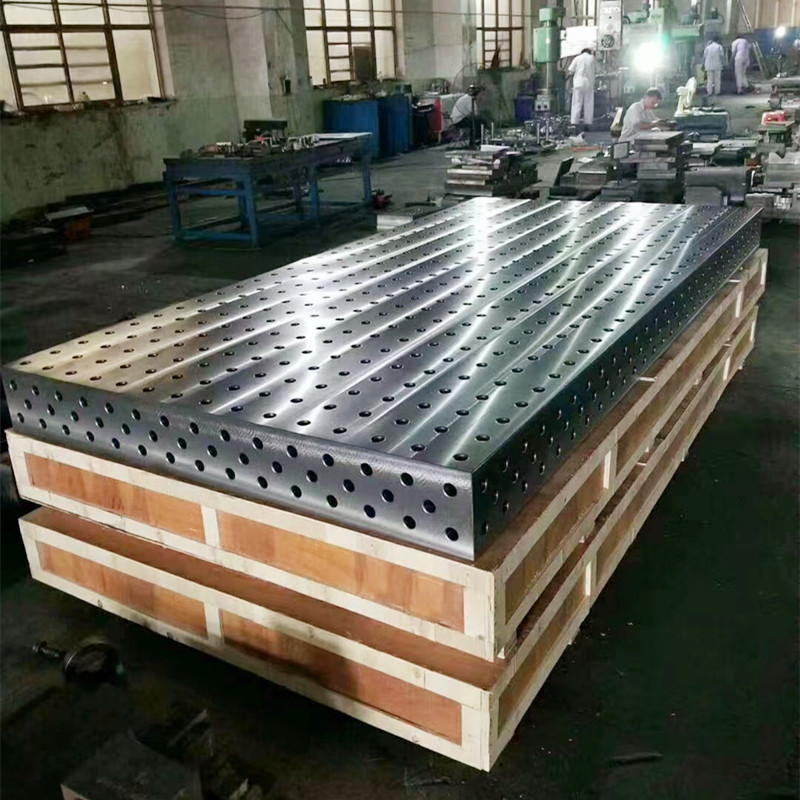
double glazed panels for sale
How to Close the Water Valve A Step-by-Step Guide Understanding how to properly close a water valve is essential for every homeowner. Whether you're dealing with a plumbing emergency, performing maintenance on your plumbing system, or preparing for seasonal changes, knowing how to close the water valve correctly is crucial to prevent water damage and ensure safety. This article will provide a comprehensive step-by-step guide on how to close the water valve effectively. Step 1 Identify the Water Valve Before you can close a water valve, you need to know where it is located. Most homes have several water valves, including 1. Main Water Valve This valve is typically located near where the water line enters your home, such as in the basement, crawl space, or outside near the foundation. 2. Individual Fixture Valves These valves can be found under sinks, behind toilets, or near appliances that use water, such as dishwashers and washing machines. 3. Outdoor Valves These are used to control water flow to outdoor hoses or irrigation systems. Once you’ve located the appropriate valve, ensure you have the right tools, if necessary. For most valves, you will simply need your hands, but occasionally, a wrench or pliers might be required. Step 2 Understand the Valve Type Water valves come in different types, such as gate valves, ball valves, and compression valves. - Gate Valves Usually rounded, these valves require you to turn the handle multiple times to close fully. - Ball Valves These generally have a lever handle that you can turn a quarter-turn (90 degrees) to close or open. - Compression Valves Commonly found under sinks, these require you to turn the handle clockwise to close. Knowing the type of valve will help you understand how to operate it effectively. Step 3 Prepare to Turn Off the Valve Before you begin turning off the valve, it’s essential to prepare 1. Clear the Area Make sure the area around the valve is free of obstacles. This will ensure you have enough space to maneuver and inspect for any leaks after closing the valve. how to close the water valve 2. Position a Container If the valve is under a sink or in a location where water could leak, place a bucket or container underneath to catch any residual water that may spill. Step 4 Close the Valve Now that you’re ready, proceed to close the valve - For Gate Valves Turn the handle clockwise until it is fully closed. You may need to turn it multiple times, depending on the valve size. - For Ball Valves Simply turn the lever 90 degrees until it is perpendicular to the pipe. In this position, the valve is closed. - For Compression Valves Turn the handle clockwise until it stops. Be careful not to overtighten, as this can damage the valve. Step 5 Check for Leaks After closing the valve, it’s crucial to check for any leaks. Turn on the faucet connected to the closed valve and observe 1. No Water Flow If there’s no water coming out, the valve has effectively closed. 2. Leaks If you notice any leaks around the valve, especially if it’s an older valve, it might indicate that the valve is worn out and may need to be replaced. Step 6 Document and Maintain Keep a record of the valves in your home and routinely check their condition. Proper maintenance can prolong the life of your plumbing system and prevent potential issues. Conclusion Closing a water valve is a straightforward yet essential task for any homeowner. By understanding the types of valves, knowing their locations, and following the steps outlined above, you can effectively manage your plumbing system. Whether you are responding to a leak, preparing for cold weather, or completing routine maintenance, mastering the art of closing water valves ensures your home remains safe and dry. Remember to remain proactive about your plumbing needs, and don't hesitate to call a professional if you're uncertain about any aspect of valve operation or maintenance.
about
double glazed panels for sale
Understanding Rebar Chairs for Concrete Mesh Support In the realm of construction and civil engineering, the integrity and durability of concrete structures are paramount. One essential element in ensuring the strength and longevity of concrete is the use of reinforcement, primarily done through the incorporation of steel bars, commonly known as rebar. However, to maximize the effectiveness of rebar, it is crucial to maintain its position within the concrete mix. This is where rebar chairs come into play as a vital component for concrete mesh support. Rebar chairs are specifically designed supports that elevate rebar from the ground or formwork, ensuring it is embedded at the correct depth within the concrete. This is crucial for several reasons. Firstly, placing the rebar at the correct height ensures that it is fully surrounded by concrete, maximizing its tensile strength. Any deviation from this can result in a reduction of the structural integrity of the concrete, leading to potential failures or weaknesses in the finished structure. Understanding Rebar Chairs for Concrete Mesh Support The advantages of using rebar chairs extend beyond just structural integrity. They also facilitate the efficient and fast construction of concrete structures. By providing a reliable method to hold rebar in place, construction workers can streamline the rebar installation process, reducing labor time and minimizing the potential for errors. This efficiency becomes increasingly critical in large projects where time and cost management are crucial for success. rebar chair for concrete mesh support Another critical aspect of rebar chairs is their role in improving safety on the job site. Properly securing rebar in place significantly reduces the chances of accidents, such as injuries from rebar shifting or falling during the pouring of concrete. Construction sites are inherently hazardous, and any measures that can enhance safety are always welcomed. The installation of rebar chairs is straightforward, yet it requires attention to detail. Workers must ensure that the rebar is positioned correctly and is adequately supported by the chairs. Additionally, depending on the design and requirements of the specific project, multiple rows of rebar may be utilized, necessitating the use of different types of chairs to maintain proper spacing and support. For those looking to purchase rebar chairs for their construction projects, several factors should be considered. It’s essential to select chairs that are compatible with the diameter of the rebar being used and capable of bearing the weight of the concrete. The choice between plastic and steel configurations will also depend on the specific conditions of the project, such as exposure to moisture and the overall environmental conditions. In conclusion, rebar chairs are an integral component of modern concrete construction. They play a crucial role in ensuring that rebar is adequately supported and positioned for maximum effectiveness. As construction methods evolve and the demand for durable and safe structures increases, the importance of reliable supports like rebar chairs cannot be overstated. Ultimately, investing in quality rebar chairs is a fundamental step towards achieving successful concrete reinforcement and enhancing the safety and durability of construction projects.
-

High quality industrial productsagement

High quality industrial products
View Details -

Meet the diverse needs of customers

Meet the diverse needs of customers
View Details -

Strict quality control

Strict quality control
View Details -

Top raw materials

Top raw materials
View Details -

Trusted supplier

Trusted supplier
View Details
Our application
news and information
valvola di cancello
Quando si tratta di impianti idraulici o di gestione di fluidi, uno degli elementi chiave è la valvo
y type strainer
In the realm of industrial applications, the 3-flanged gate valve remains an indispensable component
Water Pressure Control Valve for Efficient System Regulation and Flow Management
Understanding Water Pressure Reduction Valves A Comprehensive Guide Water pressure reduction valves
 English